
Genital darkening is a common cosmetic concern among women. Many people, when they notice that the skin of the bikini area or labia is darker than the skin of the abdomen and thighs, assume that this discoloration must be a sign of a disease, poor hygiene, or a health problem. However, in many cases, the difference in skin color in this area is completely normal and is related to genetics, natural skin tone, hormonal changes, and friction.
However, not every type of discoloration should be considered merely a cosmetic issue. If the darkening has appeared suddenly or is accompanied by itching, burning, pain, thickening of the skin, sores, abnormal discharge, or a noticeable change in a specific area of the skin, it is better for the cause to be evaluated by a gynecologist or dermatologist. Unusual changes in the color of the vulvar skin can, in some cases, be associated with skin diseases or other medical conditions.
In this article, we examine the causes of genital darkening, when this discoloration is considered normal, what methods are available to reduce darkening, and what points should be considered when choosing genital whitening methods.
What Is Genital Darkening, and Is It Normal?
The skin does not have the same color across all parts of the body. The density of pigment-producing cells, the amount of melanin, hormones, friction, and genetic characteristics can cause certain areas of the body, such as the underarms, groin, nipples, and genital area, to appear darker than the surrounding skin.
Therefore, darker labia or skin around the genital area alone does not indicate a disease. The color and appearance of the labia vary greatly among individuals, and these differences may be part of the body’s natural diversity. Hormonal changes during puberty and pregnancy can also increase pigmentation in the vulvar skin.
What Is the Difference Between the Vagina and the External Genital Area?
The term “vaginal darkening” is very common in internet searches, but medically, people are often referring to the skin of the external genital area rather than the vagina itself.
The vulva includes the external parts of the genital area, such as the labia, clitoris, and the area surrounding the vaginal opening, while the vagina is a muscular canal inside the body. Therefore, procedures advertised as vaginal whitening or bleaching are usually performed on the external genital skin or bikini area.
This distinction is very important because the mucosal tissue inside the vagina is highly sensitive and should not be exposed to skin-lightening products, acids, exfoliating agents, or homemade preparations.
What Causes Genital Darkening?
To choose an appropriate treatment method, the possible cause of the discoloration should first be identified. In some individuals, only one factor is involved, while in others, a combination of genetics, hormones, friction, and inflammation contributes to the darkening.
Genetics and Natural Skin Color
Genetics is one of the most important factors determining the color of the genital area. Just as skin, hair, and eye color differ among individuals, the amount of pigmentation in the labia and groin also varies from person to person.
People with naturally olive or darker skin tones usually have more melanin in certain body folds. In these circumstances, darker genital skin is not necessarily a problem, and this area is not expected to have exactly the same color as the abdomen or other parts of the body.
Hormonal Changes
Hormones are another important factor in genital darkening. During puberty, pregnancy, and other periods when sex hormone levels change, pigment production in certain parts of the body may increase.
The effect of estrogen during pregnancy can increase pigmentation in the vulvar area, nipples, and the midline of the abdomen.
For this reason, someone who did not have noticeable darkening before pregnancy may notice that the skin of the genital area becomes darker during pregnancy.
Friction and Skin Chafing
The groin and bikini area are parts of the body that are constantly exposed to friction. Contact between the thighs, very tight underwear, tight-fitting trousers, excess weight, and certain physical activities can increase friction.
Continuous irritation of the skin may lead to mild inflammation followed by increased pigment production. Therefore, reducing friction is one of the important principles for preventing worsening of darkening.
Hair Removal and Skin Inflammation
Shaving with a razor does not necessarily cause permanent skin darkening by itself. However, if hair removal causes small cuts, inflammation, folliculitis, or ingrown hairs, dark spots may remain after the inflammation resolves. In dermatology, this phenomenon is known as post-inflammatory hyperpigmentation.
Repeated use of hair removal methods that irritate an individual’s skin can worsen this cycle of inflammation and darkening.
Sweating, Moisture, and Inappropriate Clothing
Heat, moisture, and friction in body folds may increase skin irritation. Constantly wearing very tight clothing or garments that do not provide adequate ventilation may worsen these conditions.
For some individuals, choosing looser clothing and preventing moisture from remaining on the skin for prolonged periods may help reduce irritation; however, these measures cannot change the skin’s natural and genetically determined color.
Excess Weight, Insulin Resistance, and Acanthosis Nigricans
If darkening is present not only in the groin but also on the neck, underarms, or other body folds, and the skin becomes thick and velvety, one possible cause is acanthosis nigricans.
Acanthosis nigricans appears as dark, thickened, velvety areas in body folds and is associated in many individuals with insulin resistance, excess weight, or certain metabolic disorders. The groin, vulva, and perineum can also be affected.
In such circumstances, focusing only on a whitening cream is not reasonable, and investigating the underlying cause is more important.
Skin Diseases and Chronic Inflammation
Eczema, contact dermatitis, sensitivity to hygiene products, certain infections, and other skin diseases affecting the genital area may cause inflammation. After the inflammation subsides, skin discoloration may sometimes remain.
If darkening is accompanied by itching, scaling, burning, redness, skin cracks, or abnormal discharge, it is better to investigate the underlying cause before beginning any type of whitening treatment. The Royal College of Obstetricians and Gynaecologists in the United Kingdom also emphasizes that vulvar skin conditions can alter the color and texture of the skin.
When Does Genital Darkening Require Medical Evaluation?
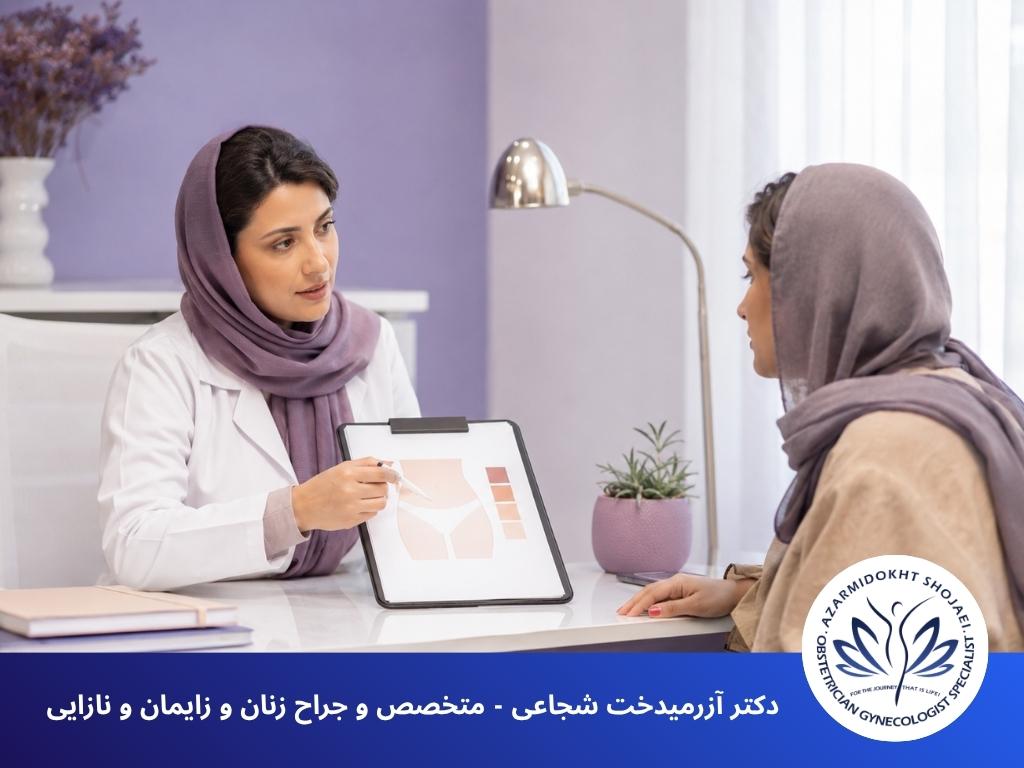
A difference in color that has been present for years and is not accompanied by other symptoms is generally less concerning. In contrast, a new and noticeable change in the appearance of the skin should be taken more seriously.
It is advisable to seek medical evaluation if a new dark spot develops or the skin color changes rapidly, if there is persistent itching or burning, a sore or lesion that does not heal, bleeding unrelated to menstruation, a lump, thickening or elevation of part of the skin, or a change in the shape or color of a mole in the genital area. In many cases, these symptoms have benign causes, but medical evaluation is important to determine the underlying cause.
How Is Treatment for Genital Darkening Chosen?
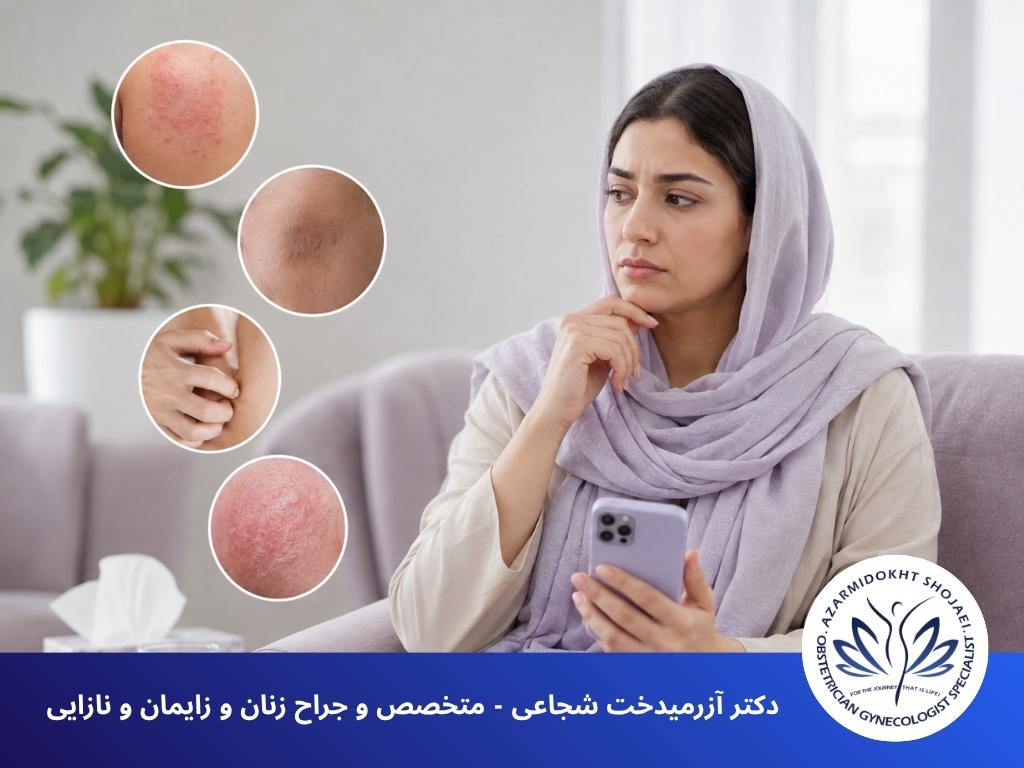
There is no single treatment method that is best for everyone. The choice of treatment depends on the cause of the darkening, skin type, history of sensitivity, presence or absence of inflammation, pregnancy, underlying diseases, and the individual’s expectations regarding the outcome.
The important point is that the goal of treatment should be to reduce abnormal darkening or achieve a more even skin tone, not to transform the natural color of the genital area into a predetermined shade.
Addressing the Underlying Cause: The First Step in Treatment
If darkening is the result of repeated friction and inflammation, even lightening treatments may not provide lasting results as long as the irritating factor continues.
Reducing skin chafing, choosing more comfortable clothing, treating inflammation or infection when present, changing the hair removal method if it causes severe irritation, and evaluating metabolic problems in individuals suspected of having acanthosis nigricans are measures that may be important depending on the underlying cause.
Genital Lightening Creams and Products
Some topical compounds can be used to treat certain types of hyperpigmentation, but the skin of the genital area is more sensitive than many other parts of the body. A product that is suitable for facial or body pigmentation is not necessarily appropriate for the labia or the area surrounding the vaginal opening.
Self-directed use of strong compounds, exfoliating acids, or lightening products can cause burning, redness, and inflammation and may even worsen post-inflammatory hyperpigmentation in some individuals. This adverse effect has also been mentioned as one of the possible problems associated with lightening creams on some Iranian medical websites.
For this reason, the choice of product and the exact area where it should be applied are best determined after the skin has been evaluated by a physician.
Laser Treatment for Genital Darkening
One of the methods increasingly advertised in recent years for genital whitening is the use of different types of lasers. These methods generally aim to affect skin pigmentation or provide superficial resurfacing of the external genital skin.
Limited studies have reported reduced vulvar pigmentation after certain laser treatments. For example, a study published in 2024 reported a reduction in vulvar pigmentation after three sessions of fractional CO2 laser treatment. However, this field remains limited in terms of the number of high-quality studies and long-term data.
Therefore, promises such as “complete removal,” “guaranteed results,” or “permanent results” cannot be made for everyone. Skin type, the cause of darkening, the device used, energy settings, and the expertise of the person performing the procedure can all affect the outcome and the risk of complications.
Carboxytherapy, Mesotherapy, and Other Whitening Methods
Methods such as carboxytherapy, mesotherapy, and certain types of chemical peeling are also offered in some clinics to lighten the bikini area. These methods are also commonly mentioned in the content of many Persian-language competitors.
However, the level of scientific evidence is not the same for every method, and the suitability of a treatment cannot be determined solely based on advertisements or before-and-after images. Before undergoing any procedure, it should first be determined whether the darkening truly requires treatment and whether the chosen method is compatible with the individual’s skin type.
| Method | Potential Use | Important Point |
| Reducing friction and irritation | Darkening related to inflammation and chafing | Important for controlling the underlying cause |
| Treating the underlying condition | Acanthosis, inflammation, or skin disease | Treating the cause is the priority |
| Topical products | Certain types of hyperpigmentation | Must be suitable for the sensitive skin of the area |
| Laser | Some types of external skin darkening | Results vary among individuals and are not permanently guaranteed |
| Other injectable or clinical methods | Cosmetic use | Evidence and effectiveness vary depending on the method |
Are Home Remedies Effective for Genital Darkening?
Many substances are recommended online for “instant whitening,” ranging from lemon juice and baking soda to toothpaste, vinegar, and bleaching agents. The problem is that the skin of the genital area is delicate and sensitive, and contact with irritating substances can damage the skin barrier.
Strong acidic or alkaline substances may cause burning, inflammation, or even chemical burns. The resulting inflammation can itself increase pigmentation and make the skin darker. Some Persian-language medical sources have also specifically warned against the use of toothpaste, bleach, and apple cider vinegar in this area.
Therefore, the fact that a food or household substance is “natural” does not mean that it is safe for use in the genital area.
Does Shaving Cause Genital Darkening?
Shaving with a razor does not cause darkening in everyone. The problem arises when repeated shaving causes inflammation, cuts, pimples, or ingrown hairs. In this situation, the skin may become darker after the inflammation.
Using a clean and appropriate razor, reducing the number of times the razor passes over the same area, and avoiding shaving on already irritated skin can reduce the risk of inflammation. If the skin develops significant pimples, itching, or inflammation every time after shaving, it is better to consult a doctor or dermatologist about an alternative hair removal method.
Can Laser Hair Removal Eliminate Genital Darkening?
Laser hair removal is primarily designed to reduce hair growth, not to directly treat skin pigmentation or darkening. However, in someone whose darkening is partly caused by repeated inflammation after shaving or by ingrown hairs, reducing the need for shaving may indirectly help prevent ongoing skin irritation.
This is different from lasers specifically used to treat pigmentation or resurface the skin.
Genital Darkening During Pregnancy
Skin discoloration is common during pregnancy. Hormonal changes can increase pigmentation in areas such as the nipples, the midline of the abdomen, and the genital area.
Some of these changes may gradually decrease after childbirth. Therefore, during pregnancy, strong lightening products or cosmetic procedures should not be used without medical advice solely because of natural skin color changes.
If the discoloration is accompanied by itching, a skin lesion, pain, abnormal discharge, or other symptoms, it is better for a gynecologist to evaluate the cause.
Is Genital Darkening Caused by Poor Hygiene?
No. Naturally darker skin in the genital area is not a sign of dirtiness or poor hygiene. Frequent and aggressive washing is also not a way to lighten the skin and may even worsen the condition by irritating it.
Excessive use of scented cleansers, vaginal douches, or strong products can irritate the skin and mucosal tissue of the area. Fragranced products may also cause sensitivity or contact dermatitis in some individuals.
Therefore, more washing does not necessarily mean better hygiene.
Are Genital Whitening Results Permanent?
The durability of the results depends on the primary cause of the darkening. If genetics, hormonal changes, friction, or inflammation become active again, some of the pigmentation may return.
For this reason, expressions such as “permanent vaginal whitening” or “complete treatment of darkening in one session” cannot be generalized to everyone. Even with clinical procedures, individual skin responses vary.
A more realistic goal is to reduce abnormal darkening and achieve a more even skin tone that is consistent with the individual’s natural skin color.
How Can Worsening of Genital Darkening Be Prevented?
The most important preventive measure is to reduce factors that cause ongoing inflammation. If the thighs rub against each other while walking, controlling friction is important. Excessively tight clothing may worsen the problem in individuals who are prone to irritation. It is also better to choose a hair removal method that causes the least possible inflammation.
If the darkening is caused by a skin condition, infection, or metabolic problem, treating the underlying cause is more important than any lightening product.
Frequently Asked Questions About Genital Darkening
Is Genital Darkening Abnormal in All Women?
No. The color of the labia and genital skin can naturally be darker than the skin on other parts of the body. Genetics, natural skin tone, and hormones all contribute to this difference.
What Is the Fastest Treatment for Genital Darkening?
There is no single method that is the fastest and best for everyone. The cause of the darkening should first be identified. Using a fast but inappropriate method may cause inflammation and further increase pigmentation.
What Cream Should Be Used for Genital Darkening?
The choice of cream depends on the skin type, the exact location of the darkening, and its cause. Self-directed use of strong products or creams designed for the face and body is not recommended in the genital area.
Is Groin Darkening the Same as Labial Darkening?
No. The skin of the groin and the external parts of the labia are not identical in terms of structure and sensitivity. A method that is tolerated by the groin skin may not be suitable for more sensitive areas.
When Should I See a Gynecologist for Genital Darkening?
Medical examination is recommended if the discoloration is new or sudden, if a specific dark spot is enlarging, or if the darkening is accompanied by persistent itching, pain, sores, bleeding, a lump, abnormal discharge, or changes in skin texture.
Conclusion
Genital darkening is part of the natural variation in skin color in many women and does not necessarily indicate disease or poor hygiene. Genetics, hormones, pregnancy, friction, inflammation after hair removal, excess weight, and certain skin or metabolic diseases may contribute to its development or worsening.
If treatment is sought purely for cosmetic reasons, the method should be chosen with realistic expectations. Self-directed use of household substances or strong products may have the opposite effect. In cases where the discoloration is new, severe, or accompanied by other symptoms, the medical cause should first be determined before deciding on an appropriate whitening method.
Evaluating the Cause and Choosing the Appropriate Method
If genital darkening is causing you concern or you are unsure whether the discoloration is natural, caused by inflammation and hormonal changes, or requires further evaluation, a specialist examination can help prevent unnecessary treatments and the use of inappropriate products.
Dr. Azarmidokht Shojaei, Obstetrician and Gynecologist, can evaluate your individual circumstances, skin condition, and medical history and guide you regarding whether treatment is necessary and which method may be appropriate.
To evaluate the cause of genital darkening and choose the appropriate treatment method, book a consultation with Dr. Azarmidokht Shojaei.

