
What Is Hysterosalpingography and What Role Does It Play in Diagnosing Infertility?
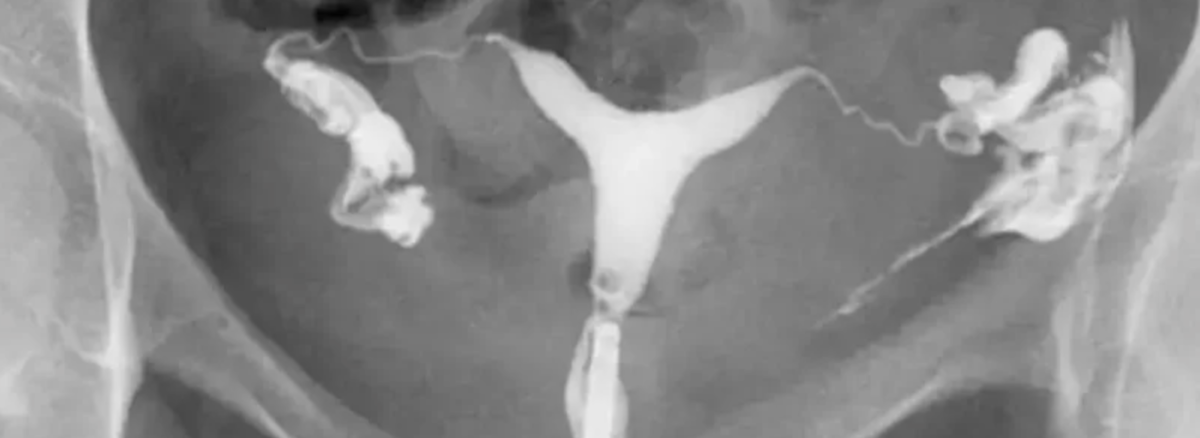
Hysterosalpingography (HSG) is a specialized imaging technique that uses X-ray technology and the injection of contrast material into the uterus to evaluate the uterine cavity and the patency of the fallopian tubes. This method is one of the most important diagnostic tests in the initial evaluation of female infertility, because a large portion of infertility cases are caused by blockages in the fallopian tubes.
During this procedure, after the injection of the contrast medium, multiple images of the uterus and tubes are taken, allowing the physician to identify abnormalities such as an irregularly shaped uterus, polyps, fibroids, adhesions, septa, and other structural issues.
In addition to being diagnostic, hysterosalpingography sometimes has a therapeutic effect, as the passage of the contrast medium may help open minor obstructions in the fallopian tubes.
Why Is Hysterosalpingography Performed? Medical Applications of This Method
Hysterosalpingography is not only used for infertility assessment. It is a widely applied technique in gynecology and obstetrics and is performed to evaluate various conditions.
Assessing Fallopian Tube Blockages
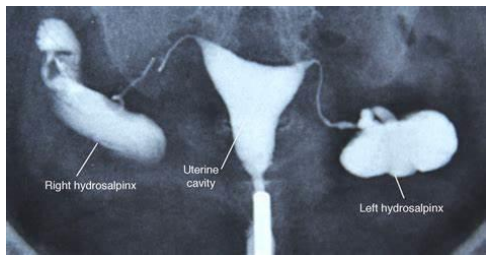
One of the leading causes of female infertility is complete or partial blockage of the fallopian tubes. Hysterosalpingography is the best method to visualize the tubal pathway and determine the exact location of the blockage.
Evaluating the Shape and Structure of the Uterus
Structural uterine problems such as septate uterus, uterine walls, bicornuate uterus, or deformities caused by adhesions can be identified.
Diagnosing Intrauterine Abnormalities
Polyps, intracavitary fibroids, Asherman’s adhesions, retained products of conception, and endometrial irregularities can be detected using HSG.
Evaluation After Uterine Surgery
Following surgeries such as myomectomy, adhesion removal, or correction of congenital anomalies, physicians use hysterosalpingography to assess the outcome of the procedure.
How Is Hysterosalpingography Performed?
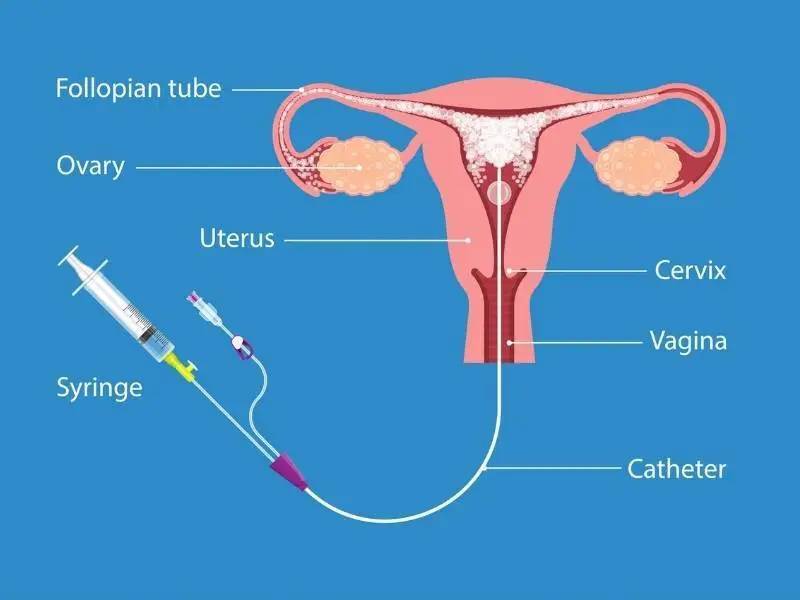
This procedure usually takes 10–15 minutes and is performed in specialized imaging centers. The steps include:
Step One – Pre-Procedure Preparation
- Pregnancy test
- Infection screening if needed
- Taking a pain reliever 30 minutes before the procedure
- Performing HSG between days 7 and 10 of the menstrual cycle
Step Two – Beginning the Imaging Process
The physician inserts a speculum into the vagina to visualize the cervix, then places a thin cannula or catheter inside the cervical opening.
Step Three – Injection of Contrast Material
The contrast medium is gently injected into the uterus, and its pathway through the uterus and into the fallopian tubes becomes visible.
Step Four – Capturing Specialized Images
The radiologist captures images from various angles and at different stages as the contrast material passes through the reproductive structures.
Step Five – End of Procedure and Contrast Drainage
After removing the cannula, the contrast material naturally drains from the uterus, and no special action is needed.
Is Hysterosalpingography Painful?
The level of pain varies among individuals but is usually similar to menstrual cramps or slightly stronger. Most women experience mild to moderate discomfort, which is generally tolerable. Taking pain medication beforehand significantly reduces discomfort.
Benefits of Hysterosalpingography
Accurate Diagnosis of Uterine and Tubal Problems
This method is one of the most precise diagnostic tools in infertility evaluation.
Possible Therapeutic Effect
In some cases, the contrast medium helps open the fallopian tubes.
Fast Procedure Without the Need for Anesthesia
The entire process is quick, and the patient can immediately return to normal activities.
Helps Plan Infertility Treatment
HSG results guide physicians in choosing the most suitable method, such as IUI, IVF, or medical therapy.
Possible Complications of Hysterosalpingography
No medical procedure is entirely risk-free; however, HSG complications are usually mild:
Common and Mild Side Effects
- Mild to moderate pain
- Light spotting
- Pelvic pressure
- Discharge of contrast material for a few hours
Rare Complications
- Allergic reaction to contrast material
- Pelvic infection
- Unusual bleeding
Important Note: Choosing a specialist physician and a reputable center minimizes these risks.
Post-Procedure Care After Hysterosalpingography
After the procedure, the following recommendations are advised:
Use Pain Relievers if Needed
Mild discomfort is normal and is relieved with medication.
Avoid Sexual Intercourse for 48 Hours
This helps prevent irritation or infection.
Notify Your Physician if Unusual Symptoms Occur
Such as fever, severe pain, or heavy bleeding.
Who Is a Suitable Candidate for Hysterosalpingography?
- Women with infertility
- Individuals with recurrent miscarriage
- Those with a history of pelvic infection or endometriosis
- Patients with a history of uterine or tubal surgery
- Women with irregular periods and suspected uterine structural abnormalities
Conclusion: Why Is Hysterosalpingography One of the Most Important Diagnostic Tools for Infertility?
Hysterosalpingography is a fast, accurate, and highly effective method for evaluating the uterus and fallopian tubes. It plays a key role in diagnosing infertility and planning proper treatment. In addition to its high diagnostic accuracy, HSG can offer therapeutic benefits in some cases, helping shorten the treatment pathway.
If you need to undergo hysterosalpingography or want a precise evaluation of infertility, pelvic pain, or uterine problems, you can schedule an appointment for specialized consultation and advanced diagnostic services with Dr. Azarmidokht Shojaei, Obstetrics, Gynecology, and Infertility Specialist.
Accurate assessment, correct diagnosis, and effective treatment begin with a single decision.

