
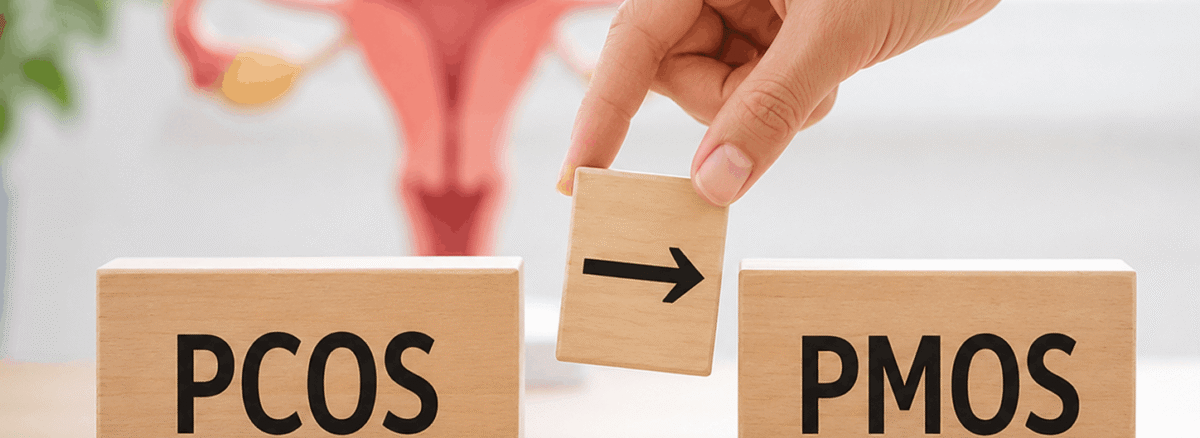
Renaming PCOS as PMOS is not simply a matter of replacing one letter. It represents a shift in the medical perspective from viewing the condition as a “problem limited to the ovaries” to recognizing it as a multidimensional hormonal, metabolic, and ovarian syndrome.
For years, polycystic ovary syndrome, or PCOS, has been recognized as one of the most common hormonal disorders affecting women. This syndrome can affect the menstrual cycle, ovulation, fertility, body weight, skin, hair, mental health, and the body’s metabolism.
However, the name “polycystic ovary syndrome” has not always provided an accurate picture of the condition. Contrary to popular belief, many people with PCOS do not have ovarian cysts, and the structures observed on ultrasound are usually small, immature follicles rather than pathological cysts.
On May 12, 2026, the results of a global consensus process were published in The Lancet, and Polyendocrine Metabolic Ovarian Syndrome, or PMOS, was introduced as the new name for this condition. The American Society for Reproductive Medicine has also endorsed the use of the term PMOS. (The Lancet)
What Is PMOS?
PMOS stands for Polyendocrine Metabolic Ovarian Syndrome.
PMOS is the same condition that was previously known as PCOS, or polycystic ovary syndrome. This change does not mean that a new disease has been discovered. Instead, the new name is intended to better represent the true and complex nature of the condition.
This syndrome may simultaneously affect several areas, including:
- Regulation of sex hormones and androgens
- Insulin function and blood glucose control
- Fat metabolism and body weight
- Ovulation and ovarian function
- The menstrual cycle
- Skin and hair health
- Mental health and quality of life
- Fertility and health during pregnancy
International guidelines describe PMOS as the most common endocrine disorder during the reproductive years, with effects that may continue from adolescence through the years following menopause. (Monash University)
Why Was PCOS Renamed PMOS?

For several decades, the name PCOS was associated with scientific and communication-related problems. The term “polycystic” led patients and even some healthcare providers to believe that the presence of multiple ovarian cysts was the main or essential feature of the condition.
The renaming process took approximately 14 years and involved specialists, researchers, people with lived experience of the condition, and 56 professional and patient advocacy organizations. More than 22,000 survey responses were collected. Criteria such as scientific accuracy, reduction of social stigma, suitability for use across different cultures, and improvement of medical care contributed to the selection of the new name. (Monash University)
The Term “Polycystic” Was Misleading
One of the most important reasons for the name change is that affected individuals do not necessarily have ovarian cysts. What is observed in some ultrasound examinations is a collection of small follicles whose development or maturation has been interrupted.
On the other hand, a person may have polycystic ovarian morphology on ultrasound without meeting the other criteria required for the diagnosis of the syndrome. Therefore:
- The absence of polycystic ovarian morphology does not rule out PMOS.
- Having ovaries with polycystic morphology is not sufficient on its own for diagnosis.
- The presence of true cysts is not a diagnostic requirement for PMOS.
The World Health Organization also emphasizes that some affected individuals do not have polycystic ovarian morphology and that the presence of cysts is not necessary for diagnosis. (World Health Organization)
The Condition Is Not Limited to the Ovaries
The name PCOS primarily directed attention toward the ovaries and fertility. However, the condition may also be associated with insulin resistance, impaired glucose tolerance, type 2 diabetes, abnormal blood lipid levels, sleep apnea, psychological problems, and an increased risk of certain pregnancy complications. (World Health Organization)
The name PMOS reminds both physicians and patients that evaluation of the condition should not be limited to an ovarian ultrasound or the treatment of menstrual irregularities.
What Exactly Does PMOS Mean?
Each component of the name PMOS represents one of the main dimensions of the condition.
Polyendocrine: Involvement of Multiple Hormonal Pathways
Polyendocrine refers to the involvement of several hormonal pathways or systems. In PMOS, there is a complex interaction between ovarian hormones, androgens, insulin, and neuroendocrine signals.
Elevated androgen levels or increased sensitivity of the body to androgens may be associated with symptoms such as excessive hair growth, acne, and thinning of scalp hair.
Metabolic: The Importance of Metabolic Health
The term “metabolic” emphasizes the role of metabolism, particularly abnormalities in blood glucose regulation. Regardless of age or body mass index, affected individuals may have a greater risk of impaired glucose tolerance and type 2 diabetes.
International guidelines recommend assessing blood glucose status at the time of diagnosis and continuing subsequent evaluations based on individual risk factors. A 75-gram oral glucose tolerance test is the most accurate recommended method for assessing glucose status in PMOS, although a physician may also use fasting blood glucose or HbA1c in different circumstances. (ASRM)
Ovarian: The Continuing Importance of Ovarian Function
Although PMOS extends beyond an ovarian disorder, ovarian function remains one of its central components. Abnormal follicular development, irregular or absent ovulation, and changes in menstrual cycles may affect fertility.
Therefore, the term “ovarian” has been retained in the new name, but the presence of “cysts” is no longer presented as the central feature of the condition.
Is PMOS a New Disease?
No. PMOS is the same condition as PCOS, but with a more accurate name.
As a result of the name change:
- No new disease has been created or discovered.
- People who were previously diagnosed with PCOS now have PMOS.
- The main symptoms of the condition have not suddenly changed.
- Current diagnostic criteria have not been completely altered because of the new name.
- Treatment principles continue to be determined according to each person’s symptoms, metabolic status, and fertility goals.
During the transition period, physicians and healthcare centers may use terms such as “PCOS/PMOS” or “PMOS, formerly known as PCOS.” The international transition plan is expected to take three years, with broader implementation of the new name continuing alongside the update of the international guidelines in 2028. (Monash University)
What Are the Symptoms of PMOS?
The symptoms of PMOS are not the same in every individual, and their severity may also change throughout life. Some people primarily experience menstrual problems, while others seek medical attention because of acne, excessive hair growth, weight gain, or difficulty becoming pregnant.
Irregular Menstrual Cycles
Irregular periods, long intervals between periods, or the absence of menstruation may result from irregular ovulation. Some individuals may also experience prolonged, heavy, or painful periods.
Excessive Hair Growth
The growth of thick, dark hair on the face, chin, neck, chest, abdomen, or other areas of the body may be associated with elevated androgen levels.
Acne and Oily Skin
Recurrent or treatment-resistant acne, particularly around the jawline, chin, and lower face, may be a sign of increased androgen activity.
Thinning of Scalp Hair
Some affected individuals may experience hair loss or thinning in a pattern similar to androgenetic alopecia.
Weight Gain or Difficulty Managing Weight
PMOS may be associated with increased abdominal fat or difficulty managing body weight. However, the condition does not occur only in people who are overweight. Individuals with a normal body weight may also have PMOS.
Ovulation and Pregnancy Difficulties
Irregular or absent ovulation can make it difficult to determine the appropriate timing for conception. PMOS is one of the common causes of infertility associated with ovulatory dysfunction, but a diagnosis does not mean that pregnancy is impossible. (World Health Organization)
Sleep and Mental Health Problems
Sleep apnea, anxiety, depression, body image concerns, and reduced quality of life are more common among some affected individuals. International guidelines recommend considering depression screening in affected adults and adolescents and anxiety screening in adults. (ASRM)
How Is Insulin Resistance Related to PMOS?

One of the most important messages conveyed by the new name is the greater emphasis placed on metabolic health.
Insulin is a hormone that helps glucose move from the bloodstream into the body’s cells. In insulin resistance, the cells do not respond properly to this hormone, so the body produces more insulin to compensate.
Elevated insulin levels can stimulate the ovaries to produce more androgens. This process may worsen ovulation problems, menstrual irregularities, acne, and excessive hair growth.
However, insulin resistance is not the only cause of PMOS, and not all patients have the same metabolic symptoms. PMOS is a heterogeneous syndrome, and genetic, environmental, hormonal, and metabolic factors may all contribute to its development.
How Is PMOS Diagnosed?
The new name PMOS does not replace clinical evaluation. Diagnosis must be made by a physician after reviewing the symptoms, menstrual history, physical examination findings, laboratory tests, and excluding other conditions with similar symptoms.
In adults, diagnosis is generally based on the presence of at least two of the following three criteria:
- Ovulatory dysfunction or irregular ovulation
- Clinical or biochemical signs of elevated androgen levels
- Polycystic ovarian morphology on ultrasound or, under certain conditions, assessment of anti-Müllerian hormone, or AMH
The presence of the first two criteria may allow a diagnosis to be made without ultrasound or AMH testing. In addition, AMH should not be used on its own to diagnose PMOS and is not currently recommended for the diagnosis of adolescents. (ASRM)
Diagnosing PMOS in Adolescents
Diagnosis in adolescents should be approached more cautiously because menstrual irregularities and acne may be part of the normal process of puberty during the first few years after menstruation begins.
The use of ultrasound or AMH as diagnostic criteria is not recommended in adolescents. In cases where the complete diagnostic criteria are not met, the individual may be considered “at risk of PMOS” and reassessed in later years. (ASRM)
Does PMOS Cause Infertility?
PMOS can affect fertility, but having the condition does not mean that infertility is inevitable. Many affected individuals become pregnant naturally or with appropriate treatment.
The main ways in which PMOS may affect fertility include:
- Irregular or absent ovulation
- Difficulty determining the timing of ovulation
- Hormonal abnormalities
- Metabolic problems
- An increased risk of certain pregnancy complications
Before beginning infertility treatment, the physician evaluates not only ovulation but also age, ovarian reserve, the condition of the fallopian tubes, the partner’s semen analysis, and other possible fertility factors.
Does Everyone With PMOS Need IVF?
No. IVF is only one of the available infertility treatments, and not everyone with PMOS requires it.
For women with infertility caused by anovulation who have no other infertility factors, international guidelines identify letrozole as the first-line medication for ovulation induction. Depending on the individual’s circumstances, other options such as clomiphene, metformin, gonadotropins, intrauterine insemination, or IVF may also be considered. The treatment method must be selected under the supervision of a specialist. (ASRM)
Is the Treatment of PMOS Different From the Treatment of PCOS?
At present, the name change itself has not created a new treatment. The main message of PMOS is that treatment should address all relevant aspects of the condition rather than focusing only on the ovaries or fertility.
Lifestyle Modification
A balanced diet, physical activity, adequate sleep, reduced sedentary behavior, and stress management are among the foundations of PMOS care.
International guidelines recommend healthy behaviors for all affected individuals, even when these changes do not result in weight loss. The goal is not only to reduce the number on the scale. Improving metabolic health, quality of life, body composition, and preventing weight gain are also important. (ASRM)
Regulating Menstruation and Controlling Androgen-Related Symptoms
Combined oral contraceptive pills may be prescribed for some individuals to regulate menstrual cycles, reduce excessive hair growth, or control acne. The type of medication should be selected according to cardiovascular status, blood clot risk factors, the patient’s preferences, and possible contraindications. (ASRM)
Managing Metabolic Problems
Metformin may be considered for some adults, particularly those with greater metabolic risk, to improve glucose-related indicators, insulin resistance, or blood lipid levels. This medication is not necessary for every patient and should only be used when prescribed by a physician. (ASRM)
Treating Fertility Problems
Fertility treatment is selected according to the cause of infertility, age, ovulation status, and the individual’s reproductive goals. Ovulation induction, timed intercourse, IUI, and IVF are among the possible options, but there is no single treatment suitable for everyone with PMOS.
Paying Attention to Mental Health
Anxiety, depression, body image concerns, eating disorders, and psychological distress associated with infertility or excessive hair growth should not be dismissed as secondary issues. Mental health assessment and treatment should form part of comprehensive PMOS care. (ASRM)
What Long-Term Complications Can PMOS Cause?
Having PMOS does not mean that a person will necessarily experience all of the following complications. However, regular evaluation can help identify and manage risk factors at an early stage.
Possible complications include:
- Insulin resistance
- Impaired glucose tolerance and type 2 diabetes
- High blood pressure
- Abnormal blood lipid levels
- Sleep apnea
- Psychological problems
- An increased risk of certain pregnancy complications
- Excessive thickening of the uterine lining when there are long intervals between menstrual periods
The World Health Organization considers PMOS a chronic metabolic condition that may increase the long-term risk of certain health problems. (World Health Organization)
Why Does the Change From PCOS to PMOS Matter?

In medicine, the name of a condition can influence how it is understood, diagnosed, and treated.
The name PMOS communicates several important messages.
A Patient Does Not Need to Have Cysts to Be Diagnosed
People with hormonal symptoms or ovulatory dysfunction should not be denied a complete assessment simply because their ovaries appear normal on ultrasound.
The Condition Is Not Only About Fertility
Even individuals who are not planning a pregnancy may require assessment of their blood glucose, blood lipid levels, blood pressure, sleep, and mental health.
Visible Symptoms Are Also Part of the Condition
Acne, excessive hair growth, and thinning hair are not merely cosmetic concerns. They may be signs of hormonal changes.
Care Should Be Patient-Centered
Not all affected individuals have the same symptoms, priorities, or risks. Treatment should be designed according to each person’s goals, whether those goals involve regulating menstruation, controlling skin-related symptoms, improving metabolic health, or becoming pregnant.
Do All Physicians Use the Name PMOS?
No. The name change was announced in May 2026, and full implementation will take time. Both PCOS and PMOS will likely continue to appear for some time in scientific articles, medical records, prescriptions, and clinical discussions.
The phrase “PMOS, formerly known as PCOS” may help maintain continuity in medical records and prevent patient confusion during the transition period.
When Should You See a Doctor?
A medical evaluation is recommended if you experience any of the following signs:
- Very irregular or absent menstrual periods
- Long intervals between periods
- Sudden or severe excessive hair growth
- Treatment-resistant acne
- Significant thinning of scalp hair
- Unexpected weight gain
- Difficulty becoming pregnant
- Signs of high blood glucose
- Severe snoring, daytime sleepiness, or possible sleep apnea
- Anxiety, depression, or a noticeable reduction in quality of life
These symptoms are not always caused by PMOS. Conditions such as thyroid disorders, elevated prolactin levels, adrenal gland disorders, and other hormonal conditions should also be investigated.
Conclusion
Renaming PCOS as PMOS is not merely a revision in terminology. The new name shows that the condition historically known as polycystic ovary syndrome extends beyond the presence of cysts or a problem involving only the ovaries.
PMOS can affect hormones, metabolism, ovulation, skin, hair, mental health, fertility, and long-term health. The new name helps shift medical attention away from a single ultrasound finding and toward a more complete picture of the individual’s health.
Despite this change, PMOS is not a new disease, and current diagnostic and treatment principles have not changed overnight. The most important measures remain accurate diagnosis, metabolic assessment, treatment tailored to the individual’s symptoms, and regular follow-up under the supervision of a physician.
Note: The information provided in this article is for educational purposes only and is not a substitute for medical diagnosis, examination, or treatment.
Frequently Asked Questions About PMOS
Is PMOS the Same as PCOS?
Yes. PMOS is the new name for the condition previously known as PCOS, or polycystic ovary syndrome.
Do You Need to Have Ovarian Cysts to Have PMOS?
No. The presence of cysts or even polycystic ovarian morphology is not required in all affected individuals.
Did the Name PMOS Become Official in 2026?
The name PMOS was introduced on May 12, 2026, following a global consensus process. The transition of terminology in medical records, scientific publications, and clinical guidelines will take place gradually. (Monash University)
Have the Diagnostic Methods for PMOS Changed?
The name change alone has not altered the diagnostic criteria. Diagnosis is still based on the assessment of ovulation, androgen levels, ovarian status, and the exclusion of other possible causes.
Does PMOS Occur Only in People Who Are Overweight?
No. People of any weight or body mass index may have PMOS.
Is There a Permanent Cure for PMOS?
There is currently no treatment that permanently eliminates the condition. However, different approaches can help manage its symptoms, fertility effects, and long-term health risks. (World Health Organization)
Can You Become Pregnant With PMOS?
Yes. Many affected individuals become pregnant naturally or with ovulation induction treatments and other assisted reproductive methods.
Does Everyone With PMOS Need IVF?
No. Treatment depends on the cause of infertility and the individual’s circumstances, and it may begin with less invasive options.
Scientific References
- Teede HJ et al. Global consensus process for renaming PCOS as PMOS. The Lancet, May 2026. (The Lancet)
- Monash University Health Research and Implementation Centre. Introduction of PMOS and the terminology transition plan. (Monash University)
- International Evidence-Based Guideline for the Assessment and Management of PMOS, ASRM and the International PMOS Network. (ASRM)
- World Health Organization. Symptoms, diagnosis, and health implications of polycystic ovary syndrome. (World Health Organization)
Article Information
Title:
What Is PMOS? Why PCOS Was Renamed and How This Change Affects Women’s Health
Meta Description:

