

If you have questions about the HPV vaccine, the appropriate time for vaccination, the number of doses, or whether vaccination is possible after HPV infection, this article can help. The HPV vaccine is one of the most important methods of preventing infection with specific types of human papillomavirus and can reduce the risk of developing certain HPV-related diseases and cancers.
However, an important point should be considered: the HPV vaccine is designed to prevent new infections and does not treat an existing infection or lesions caused by HPV. Therefore, even if a person has previously been exposed to HPV or has tested positive for HPV, vaccination may still be considered appropriate in certain circumstances, because infection with one type of HPV does not mean infection with all types against which the vaccine can provide protection.
What Is the HPV Vaccine and Why Is It Important?
HPV, or human papillomavirus, is a large group of viruses that can affect the skin and mucous membranes in different parts of the body. Some types of HPV may cause no symptoms, and in many people, the infection is controlled by the immune system over time.
However, some high-risk types of HPV, if they persist in the body, can cause cellular changes and precancerous lesions. Persistent infection with certain high-risk HPV types is one of the main causes of cervical cancer, and the virus is also associated with several other cancers. The World Health Organization (WHO) considers HPV vaccination one of the main pillars of cervical cancer prevention.
For this reason, the HPV vaccine is not simply a vaccine for preventing a common infection; rather, it is part of a prevention strategy for serious HPV-related diseases.
How Does the HPV Vaccine Work?
The HPV vaccine stimulates the immune system and prepares the body to fight specific types of HPV. If a person is exposed after vaccination to one of the HPV types covered by the vaccine, the immune system can produce a more effective response, reducing the likelihood of infection.
An important point is that the HPV vaccine is preventive, not therapeutic. Therefore, vaccination should not be expected to eliminate an existing HPV infection, treat genital warts, or resolve a precancerous lesion.
Does a Positive HPV Test Mean Cancer?
No.
A positive HPV test by itself does not mean that a person has cervical cancer. Many HPV infections are controlled or clear without causing serious disease.
On the other hand, a positive HPV result does not mean that the person necessarily has a precancerous lesion. The HPV test result should be interpreted together with the Pap smear result, medical history, age, and other necessary evaluations.
Therefore, if your HPV test is positive, rather than worrying about cancer, it is better to follow the recommended medical evaluation and follow-up process according to your physician’s advice.
Who Is the HPV Vaccine Recommended For?
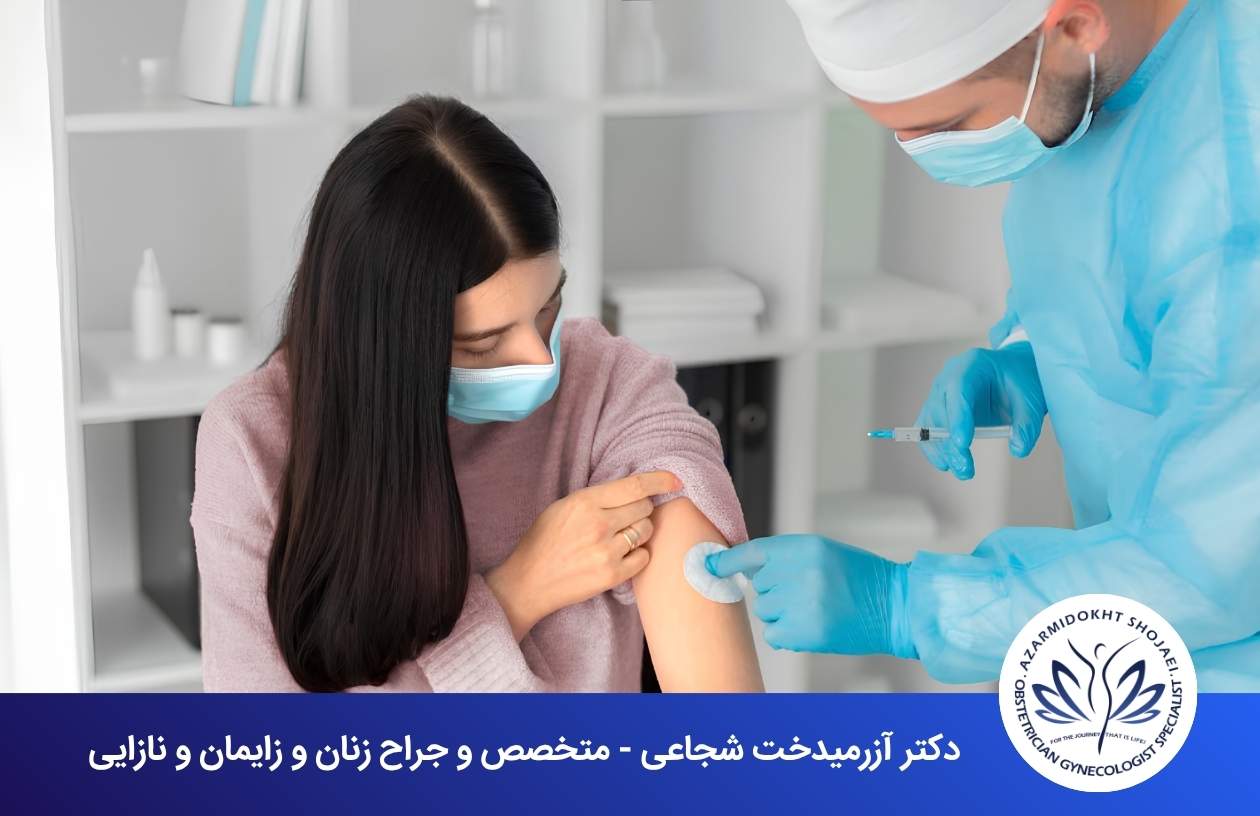
The timing of HPV vaccination is important in determining its potential benefit. The vaccine has the greatest preventive effect when administered before exposure to HPV; therefore, vaccination during adolescence is particularly important.
According to CDC recommendations, routine HPV vaccination is recommended at ages 11–12 and can be started as early as age 9. For individuals who did not complete their vaccination at younger ages, catch-up vaccination is recommended through age 26.
HPV Vaccine for Adult Women
One common question is whether the HPV vaccine can also be used for adult women.
The answer depends on the person’s age and individual circumstances. For individuals aged 27–45 who have not previously completed vaccination, routine vaccination is not recommended for everyone. However, it may be considered based on a discussion with a physician and an assessment of the likelihood of future HPV exposure.
One reason for this is that the likelihood of previous HPV exposure increases with age. Therefore, the expected benefit of the vaccine for an adult may not be the same as for someone who has not yet been exposed to HPV.
However, previous exposure to HPV does not mean that a person has been exposed to all HPV types included in the vaccine. Therefore, in some individuals, receiving the HPV vaccine may still be considered for the prevention of new infections.
Can You Get the HPV Vaccine After an HPV Infection?
This is one of the most important questions about the HPV vaccine.
Yes; a history of HPV infection, a positive HPV test, or even certain HPV-related medical histories is not, by itself, a contraindication to vaccination. However, the vaccine does not treat an existing HPV infection.
For example, suppose a person was previously infected with one type of HPV. This does not necessarily mean that they are immune to all HPV types included in the vaccine or that they have been exposed to all of them.
Therefore, the HPV vaccine after an HPV infection may still be considered for preventing certain new infections.
However, the decision regarding vaccination in this situation depends on several factors, including:
- The person’s age
- Previous vaccination history
- The type and results of laboratory tests performed
- A history of abnormal Pap smears
- The likelihood of future HPV exposure
- Immune system status
- Pregnancy or the possibility of pregnancy
Therefore, a positive HPV result alone should not lead a person to assume that the vaccine is no longer beneficial.
Does the HPV Vaccine Clear HPV After Infection?
No.
This point should be completely clear:
The HPV vaccine does not treat an existing infection.
If a person is infected with a particular type of HPV at the time of vaccination, the vaccine is not designed to treat that existing infection. Therefore, treatment or follow-up of a positive HPV result should be carried out according to the physician’s recommendations, and vaccination should not replace necessary medical evaluations.
Is an HPV Test Required Before Receiving the HPV Vaccine?
Generally, HPV testing is not necessary to determine whether a person is eligible to receive the HPV vaccine.
Likewise, a history of a positive HPV test, an abnormal Pap smear, or certain HPV-related lesions is not, by itself, a contraindication to vaccination.
However, if a person has previously undergone an HPV test or Pap smear, it is advisable to bring the results when visiting the physician.
This information is not required for deciding whether to vaccinate, but it may be important in evaluating the current condition of the cervix and determining an appropriate follow-up plan.
Therefore, HPV testing before vaccination should not be confused with cervical cancer screening. Screening is a separate issue and should be performed according to the individual’s age and circumstances and the appropriate screening schedule.
What Is Gardasil and How Is It Related to the HPV Vaccine?
When discussing the HPV vaccine, the name Gardasil is also frequently mentioned.
Gardasil is the brand name of one of the HPV vaccines. Among HPV vaccines, the 9-valent vaccine, or Gardasil 9, provides protection against nine types of HPV.
According to WHO information, HPV vaccines are available in different formulations, including bivalent, quadrivalent, and 9-valent vaccines, and the type of vaccine available may vary depending on the country and vaccination program.
Therefore, the terms “Gardasil” and “HPV vaccine” are not exactly synonymous; Gardasil is the brand name of a specific vaccine, whereas HPV vaccine is the general term for this group of vaccines.
Is Gardasil the Same as the HPV Vaccine?
Gardasil is one of the HPV vaccines, but not all HPV vaccines are necessarily Gardasil.
The choice of vaccine depends on the available product, the person’s age, previous vaccination history, and the physician’s recommendation.
How Many Doses of the HPV Vaccine Are Required?
The number of HPV vaccine doses depends on the age at which vaccination is started and certain medical conditions.
According to the current CDC schedule:
- If vaccination is started at ages 9–14, two doses are usually sufficient.
- The interval between the two doses in this group is usually 6–12 months.
- If vaccination is started at age 15 or older, three doses are usually administered at months 0, 1–2, and 6.
- Individuals with immunocompromising conditions aged 9–26 require a three-dose schedule regardless of the age at which vaccination was started.
If the interval between doses is longer than recommended, it is generally not necessary to restart the entire series, and the schedule can be continued based on the doses already received.
An important point is that the number of required doses should not be determined solely by the vaccine’s name; the age at which vaccination is started and the individual’s medical conditions are also important.
What Is the Best Time to Receive the HPV Vaccine?
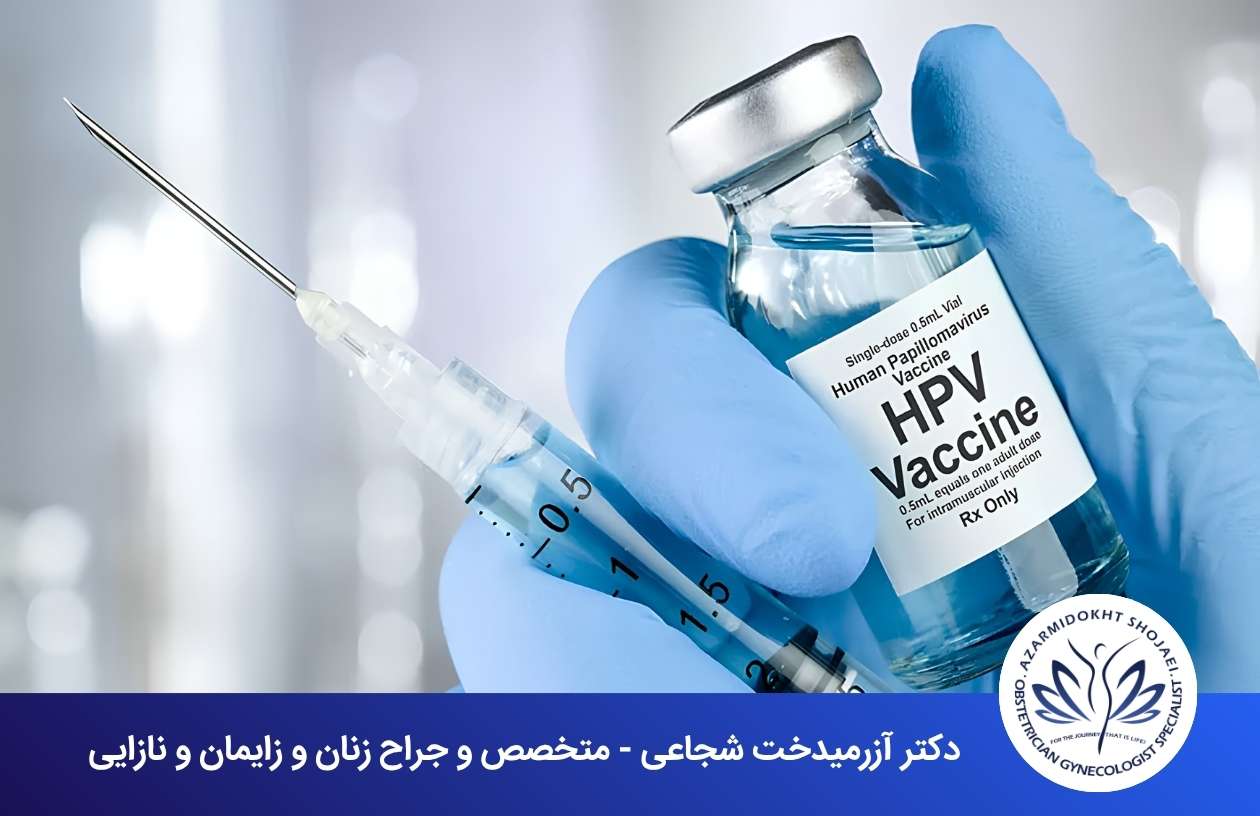
In general, the best time for the HPV vaccine is when a person has not yet been exposed to the HPV types covered by the vaccine.
For this reason, vaccination during adolescence is particularly important. However, if a person did not receive the vaccine at a younger age, vaccination may still be possible at older ages.
For adults, particularly those aged 27–45, the decision should be individualized and based on the likelihood of future exposure and the potential benefit of vaccination.
Therefore, there is no single “definitive age” for vaccination that applies to everyone, and individual circumstances should be taken into account.
What Are the Limitations of the HPV Vaccine?
Despite the important role of the HPV vaccine in prevention, like any vaccine, it has certain limitations and precautions.
Severe Allergic Reaction to the Vaccine
Individuals who experienced a severe allergic reaction after a previous dose of the HPV vaccine should not receive another dose without medical evaluation.
Severe allergy to one of the vaccine components may also be a contraindication. For the 9-valent vaccine, an immediate severe allergic reaction to yeast is also important.
Moderate or Severe Acute Illness
If a person has a moderate or severe acute illness, vaccination may be postponed until their general condition improves.
In contrast, mild illness is generally not, by itself, a reason to delay vaccination.
Can the HPV Vaccine Be Administered During Pregnancy?
The HPV vaccine is not recommended during pregnancy.
If a person discovers after receiving a dose of the vaccine that they were pregnant at the time, there is generally no reason for concern; however, the remaining doses should be postponed until after the pregnancy. Routine pregnancy testing before vaccination is also not generally necessary.
Therefore, if there is a possibility of pregnancy, it is advisable to discuss your circumstances with your physician before receiving the HPV vaccine.
What Are the Side Effects of the HPV Vaccine?
Like other vaccines, the HPV vaccine may cause certain side effects, but most reactions are usually mild and short-lived.
Possible reactions include:
- Pain at the injection site
- Redness or swelling at the injection site
- Headache
- Fatigue
- Fever
- Nausea
- Dizziness
Some adolescents may experience weakness or fainting after vaccination, particularly as a result of anxiety or the body’s response to the injection. Therefore, it is advisable for the individual to remain under observation for a short period after vaccination.
A severe allergic reaction is very rare, but if symptoms such as difficulty breathing, swelling of the face or throat, or a severe systemic reaction occur, immediate medical evaluation is necessary.
Does the HPV Vaccine Prevent Cervical Cancer?
One of the most important reasons for using the HPV vaccine is its role in preventing infection with HPV types associated with cervical cancer.
By preventing infection with specific HPV types, the vaccine can reduce the risk of HPV-related diseases, including certain cancers and precancerous lesions. The World Health Organization also considers HPV vaccination one of the main pillars of cervical cancer prevention and elimination programs.
However, there is a very important point:
The HPV vaccine does not replace cervical cancer screening.
Even women who have received the HPV vaccine should undergo cervical cancer screening according to their age, medical history, and applicable guidelines. The vaccine does not protect against all HPV types, which is why screening remains important.
Is the HPV Vaccine Only for Women?
No.
HPV can affect both women and men and is associated with certain HPV-related diseases and cancers in both sexes. For this reason, HPV vaccination programs in many countries are designed for both sexes.
However, for women, the HPV vaccine is particularly important because persistent infection with certain high-risk HPV types plays a major role in the development of cervical cancer.
Do You Still Need a Pap Smear After Receiving the HPV Vaccine?
Yes.
Receiving the HPV vaccine does not eliminate the need for cervical cancer screening.
The vaccine prevents infection with certain HPV types but does not provide protection against all types of the virus. Therefore, even after vaccination, screening should be performed at the appropriate time.
If a person had HPV before vaccination or has an abnormal Pap smear result, vaccination does not replace medical follow-up.
If an abnormal result is present, the physician may recommend additional tests, such as colposcopy, depending on the individual’s circumstances.
What Information Should You Prepare Before Visiting a Doctor for the HPV Vaccine?
If you are planning to consult a physician about receiving the HPV vaccine, it is helpful to prepare the following information in advance:
Pre-Appointment Checklist
- Age and date of birth
- Previous HPV vaccination history
- Number of previous doses and their vaccination dates
- History of severe allergies to vaccines or medications
- Pregnancy or possibility of pregnancy
- Previous HPV test results
- Previous Pap smear results
- History of colposcopy or biopsy
- History of genital warts
- Significant underlying medical conditions
- Conditions or medications that may affect the immune system
Having this information available allows the physician to evaluate the individual’s circumstances more accurately and make a more appropriate decision about starting or continuing vaccination.
Is Colposcopy Required Before Receiving the HPV Vaccine?
No. Colposcopy is not routinely required before receiving the HPV vaccine.
Colposcopy is generally considered when cervical cancer screening results or other clinical findings require further evaluation.
Therefore, vaccination and colposcopy are two separate issues. If a person has an abnormal test result, the physician may separately recommend the necessary cervical evaluation.
Frequently Asked Questions About the HPV Vaccine
Can You Get the HPV Vaccine After an HPV Infection?
Yes. A history of HPV infection is not an absolute contraindication to receiving the HPV vaccine. However, the vaccine does not treat an existing infection and is intended to prevent new infections with the HPV types covered by the vaccine.
If I Am HPV Positive, Can the HPV Vaccine Still Be Beneficial?
It may be. A positive HPV result does not mean that the person has been exposed to all HPV types included in the vaccine. Therefore, in some individuals, vaccination may still be considered for the prevention of new infections. The final decision should be based on the individual’s circumstances.
Does the HPV Vaccine Treat Genital Warts?
No. The vaccine is designed to prevent new infections and is not a treatment for genital warts or an existing infection.
Can You Receive the HPV Vaccine After an Abnormal Pap Smear?
A history of an abnormal Pap smear is not, by itself, a contraindication to vaccination; however, the vaccine does not replace evaluation and follow-up of the cause of the abnormal result.
Does an HPV Test Have to Be Negative Before Receiving the HPV Vaccine?
No. A negative HPV test is not a requirement for receiving the vaccine, and HPV testing is generally not necessary before vaccination to determine eligibility.
Can the HPV Vaccine Be Administered During Pregnancy?
No. HPV vaccination is not recommended during pregnancy, and remaining doses should be postponed until after pregnancy.
Is Cervical Cancer Screening No Longer Necessary After Receiving the HPV Vaccine?
No. The HPV vaccine does not replace cervical cancer screening, and screening should continue according to the individual’s age and circumstances.
Can People Over 26 Receive the HPV Vaccine?
Routine vaccination is not recommended for everyone over the age of 26. For individuals aged 27–45, the decision may be made based on a discussion with a physician and an assessment of the likelihood of future HPV exposure.
How Many Doses of the HPV Vaccine Are Needed?
The number of doses depends on the age at which vaccination is started and the individual’s circumstances. If vaccination is started before age 15, two doses are usually recommended; if started at age 15 or older, three doses are generally recommended. Individuals with immunocompromising conditions also generally require a three-dose schedule.
Conclusion: Is the HPV Vaccine Right for You?
The HPV vaccine is one of the most important methods of preventing infection with specific types of HPV and diseases associated with this virus. The best time to receive the vaccine is generally before exposure to HPV; however, previous exposure or even infection with HPV does not necessarily mean that vaccination is ineffective.
The important point is that the HPV vaccine does not treat an existing infection and cannot replace treatment, follow-up of lesions, or cervical cancer screening.
If you have tested positive for HPV, have had an abnormal Pap smear, or have a history of genital warts, your condition should be evaluated individually. A positive HPV result does not mean cancer, and not every cervical lesion is necessarily caused by HPV.
At the same time, age, vaccination history, immune system status, likelihood of future exposure, and pregnancy status are important factors in deciding whether to receive the vaccine.
Do You Need Specialized Advice About the HPV Vaccine?
If you have questions about the HPV vaccine, HPV vaccination, Gardasil, vaccination after HPV infection, HPV test results, or an abnormal Pap smear, it is better to make a decision based on your individual circumstances.
For an accurate evaluation of cervical health, interpretation of test results, and consultation regarding preventive measures, you can seek specialized gynecological consultation and evaluation with Dr. Azarmidokht Shojaei, Obstetrics, Gynecology, and Infertility Specialist.

