Non-sexual HIV transmission is a topic about which there is little awareness. Many people know that HIV is transmitted through unprotected sex, contaminated blood, and from mother to child. But did you know that getting a tattoo in unhygienic conditions, using a shared razor, shared needles for piercing, or even contaminated cosmetic tools can also cause non-sexual HIV transmission? In this article from the perspective of a gynecologist (and public health specialist), we will examine in detail the non-sexual routes of HIV transmission, separate real risks from false beliefs, and teach prevention strategies.
What is HIV and how does it enter the body?
Introduction to HIV
HIV stands for Human Immunodeficiency Virus. This virus weakens the body’s immune system by attacking CD4 lymphocytes (white blood cells responsible for immunity). Without treatment, HIV can lead to AIDS. The World Health Organization (WHO) estimates that more than 39 million people worldwide are living with HIV. Awareness of non-sexual HIV transmission routes plays a key role in prevention.
Conditions necessary for HIV transmission
For non-sexual HIV transmission to occur, three conditions must be met simultaneously:
- Presence of the virus in the body fluid of an infected person: HIV is found in blood, semen, vaginal secretions, breast milk, and rectal fluid. The virus is not present in significant amounts in saliva, sweat, and urine.
- Access of the virus to the bloodstream of a healthy person: through an open wound, scratch, mucous membrane (e.g., eyes, mouth, anus, or vagina), or direct injection.
- Sufficient amount of virus: The virus level in the infected person’s blood (viral load) must be high enough to cause infection. In individuals receiving effective treatment with an undetectable viral load, the risk of non-sexual HIV transmission is almost zero.
What are the non-sexual routes of HIV transmission?
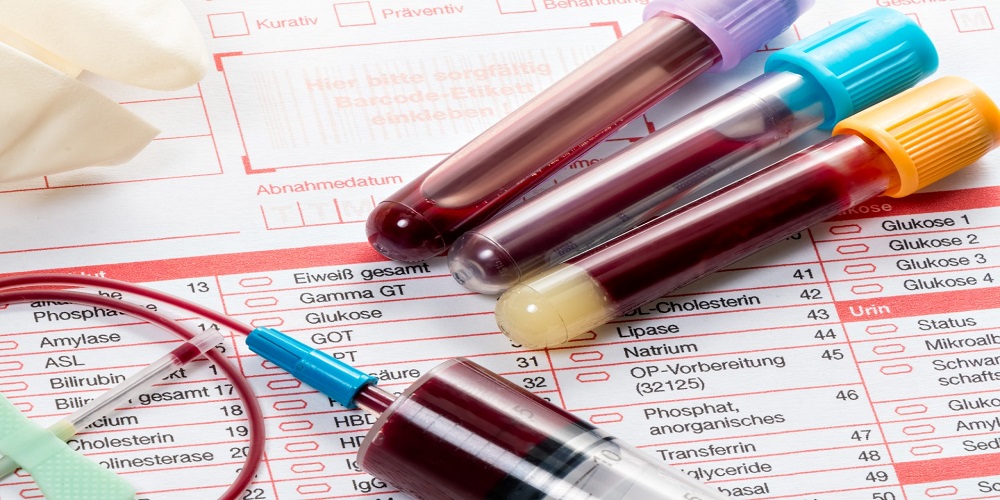
Contrary to popular belief, non-sexual HIV transmission may occur through various routes, many of which are overlooked in daily life.
Tattoos and piercings
If a tattoo or piercing is done in unauthorized and unhygienic centers, needles and equipment may not be properly sterilized. Needles contaminated with the blood of an HIV-positive individual can directly transmit the virus to the bloodstream of the next person. The U.S. Centers for Disease Control and Prevention (CDC) emphasizes that single-use items (such as needles, tattoo cartridges) should never be used for more than one person. Therefore, non-sexual HIV transmission through tattoos is a real risk, although it is rare in countries with strong health oversight.
Shared razors and shaving equipment
Using a shared razor for shaving the face, body, or genital area is one of the most common methods of non-sexual HIV transmission among family members and in unhygienic barbershops. The razor may cause tiny, invisible scratches on the skin. If the razor was previously used on an infected person’s skin and blood spots remain on it, the next person is at risk.
Shared needles for injections (other than drug use)
Many people only know that injecting drugs with a shared needle is dangerous, but non-sexual HIV transmission can occur in unhygienic medical injections, injecting vitamins or medications at home, or even using a shared needle for blood sampling. In standard medical environments, single-use needles and syringes are used, and there is no risk. However, in barbershops (for gel or Botox injections) or gyms (for supplement injections), caution is necessary.
Shared cosmetic and hygiene items
Items such as nail clippers, nail files, epilators, laser hair removal devices (if they cause scratches), and even toothbrushes (if gums bleed) can theoretically cause non-sexual HIV transmission. Although these cases are very rare because HIV quickly becomes inactive outside the body (maximum a few hours), if the item has been recently contaminated with blood and immediately used on another person’s open wound, there is a risk. The U.S. Office on Women’s Health (OWH) recommends not sharing personal items.
Contact with blood and blood products
Before mandatory blood screening in the 1980s, non-sexual HIV transmission through blood transfusions and blood products was common. Today, in developed countries and Iran, all donated blood is screened for HIV, hepatitis B and C, and the risk is near zero. However, in emergencies or in areas where screening is not performed, the risk remains.
Mother-to-child transmission (vertical transmission)
Although this route falls under non-sexual transmission, it is often recognized as a separate category. HIV can be transmitted during pregnancy, childbirth, or through breast milk. With timely diagnosis and antiviral treatment, the risk of non-sexual HIV transmission from mother to child is reduced to less than 1%. The National Institutes of Health (NIH) provides detailed prevention protocols.
Which routes do NOT transmit HIV? (Dispelling false beliefs)
To reduce fear and stigma, it is important to know that non-sexual HIV transmission is impossible through the following routes:
- Shaking hands, hugging, or embracing an infected person.
- Shared use of toilets, bathrooms, swimming pools, or saunas.
- Shared spoons, forks, glasses, or food.
- Insect bites (mosquitoes, bedbugs, ticks).
- Kissing (unless both people have open, bleeding sores in the mouth, which is very rare).
- Tears, sweat, saliva (alone).
- Coughing or sneezing.
These false beliefs cause avoidance of infected individuals and have no scientific basis. The World Health Organization (WHO) has repeatedly emphasized that HIV is not transmitted through ordinary daily contact.
Factors affecting the risk of non-sexual transmission
The risk of non-sexual HIV transmission varies under different conditions. Factors that increase the risk include:
- High viral load: An infected person who is not treated has millions of copies of the virus per milliliter of blood. In contrast, a person on treatment with an undetectable viral load (Undetectable = Untransmittable) can practically not transmit the virus. This concept is called “U=U”.
- Depth and severity of skin injury: A deep, fresh wound carries more risk than a superficial scratch.
- Amount of contaminated blood: A small drop of blood may contain enough virus for transmission, but the larger the blood volume, the greater the risk.
- Duration of virus exposure to the external environment: HIV is very fragile outside the body. Drying of blood, heat, disinfectants (alcohol, bleach) quickly inactivate the virus. Therefore, non-sexual HIV transmission through dry, old items (e.g., a razor used several hours earlier) is unlikely.
Prevention of non-sexual HIV transmission
dir=”ltr” style=”text-align: justify;”>Fortunately, by following a few simple principles, non-sexual HIV transmission can be prevented:
- Never share sharp or pointed personal items: razors, shavers, nail clippers, needles, tattoo cartridges, toothbrushes (if gums bleed) should be personal.
- Only go to authorized tattoo and piercing centers: Ensure that single-use or autoclave-sterilized needles are used. Use centers that open needle packaging in front of you.
- Be careful in barbershops: Ask the barber to open a disposable razor for you. If scissors are used for hair cutting, they should not cut the skin. It is better to bring your own personal shaver to the barbershop.
- Cover bleeding: If you have an open wound, cover it with a bandage so that your blood does not come into contact with others.
- Antiviral treatment for infected individuals: If you are HIV positive, regular medication will reduce your viral load to an undetectable level, and non-sexual HIV transmission from you will no longer occur. This is the most important prevention strategy.
- Public education: Raising awareness among adolescents and young adults about the dangers of home tattoos, shared razors in gyms, and shared toothbrushes.
What to do if exposed to risk? (PEP)
If you have recently (within a maximum of 72 hours) been exposed to non-sexual HIV transmission, for example, you have been pricked with a contaminated needle or a contaminated razor has cut your skin, you can use post-exposure prophylaxis (PEP). PEP involves taking anti-HIV medications for 28 days and, if started quickly, reduces the risk of infection by more than 80%. The Centers for Disease Control (CDC) recommends going to the emergency room immediately. PEP is available only with a doctor’s prescription.
When to see a doctor?
If you have experienced any of the following high-risk behaviors, seek counseling and HIV testing (which is confidential):
- Getting a tattoo or piercing in an unauthorized, unhygienic place.
- Using a shared razor with a person whose HIV status you do not know.
- Contact of contaminated blood with an open wound or mucous membrane (eyes, mouth).
- Accidental needlestick in the workplace (for healthcare workers).
- Unprotected sexual intercourse (not categorized as non-sexual in this article, but still needs evaluation).
HIV testing in Iran is available free of charge and confidentially at behavioral disease counseling centers. Early diagnosis and initiation of treatment both prevent disease progression and stop to others.
Summary and final answer
Non-sexual HIV transmission through routes such as unhygienic tattoos, shared razors, shared needles, and contaminated cosmetic tools, although less common than sexual transmission, is real and preventable. By following simple principles: using personal items, going to authorized centers, and timely treatment of infected individuals, the risk can be reduced to near zero. At the same time, people living with HIV should never be rejected due to fear of non-sexual transmission; because ordinary daily contact carries no risk. Awareness, not fear, is the best tool to combat the HIV epidemic.
Closing words: If you have ever used a shared razor or an unhygienic tattoo, do not be worried, but do not forget

